Flat Curtain-Wall Honeycomb Panels
For large-format façades, eaves and walls. Confirm panel divisions, overall thickness, rear details and weather-resistant finish.
For curtain walls, interior walls, ceilings, cladding and large-format decorative surfaces, we organize the face sheet, honeycomb core, back sheet, adhesive system, edge details and installation interfaces into a complete construction that can be produced, numbered and inspected.
Large-format panel projects cannot be judged from one sample alone. Overall flatness, continuous joints, curvature transitions, internal and external corners and on-site interfaces must be reviewed together.
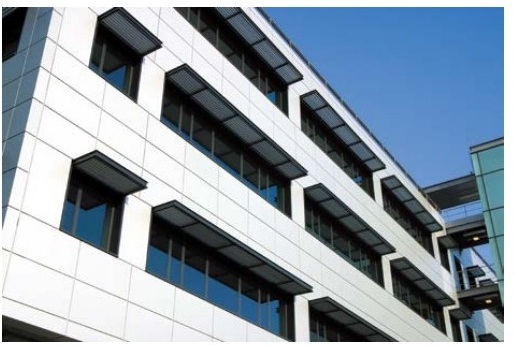
Large-format panels are developed together with window openings, corners and the façade grid, with panel flatness and joint continuity as key checks.
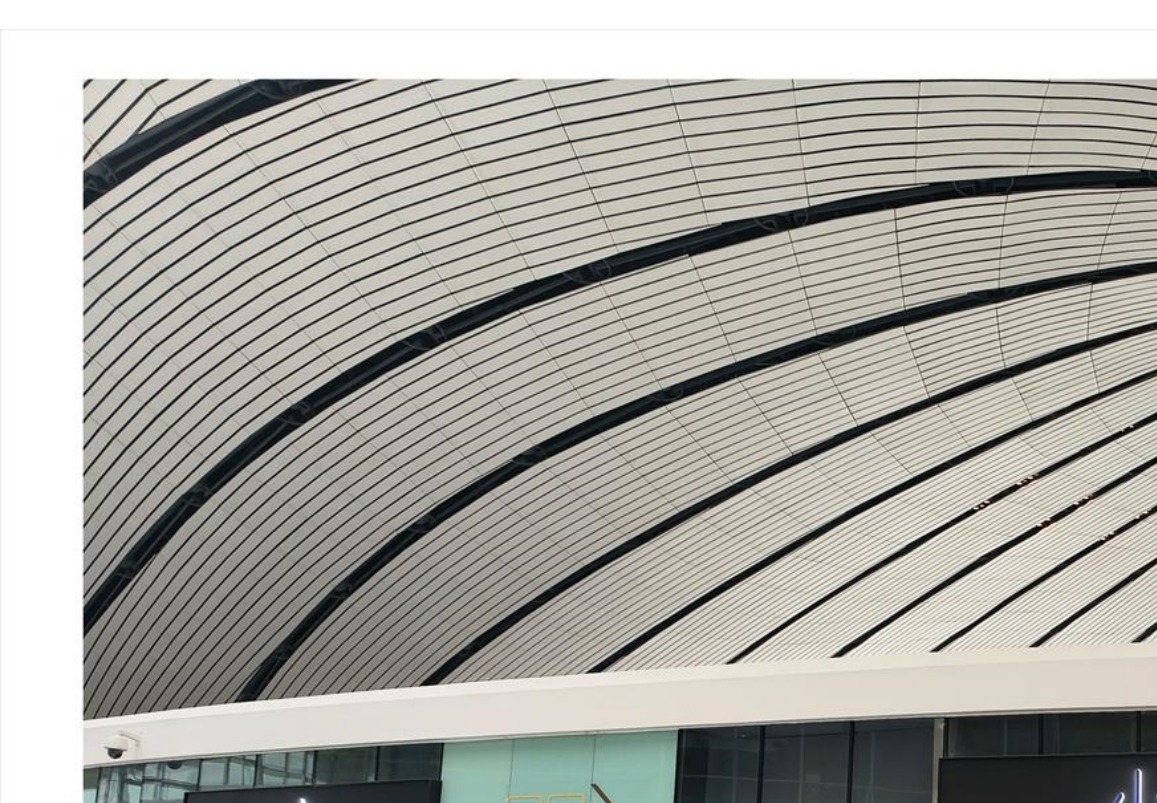
Curved panels are arranged continuously to a consistent radius, arc length and interface for a smooth transition.

Finish direction, panel batches and curved connections all affect overall continuity.
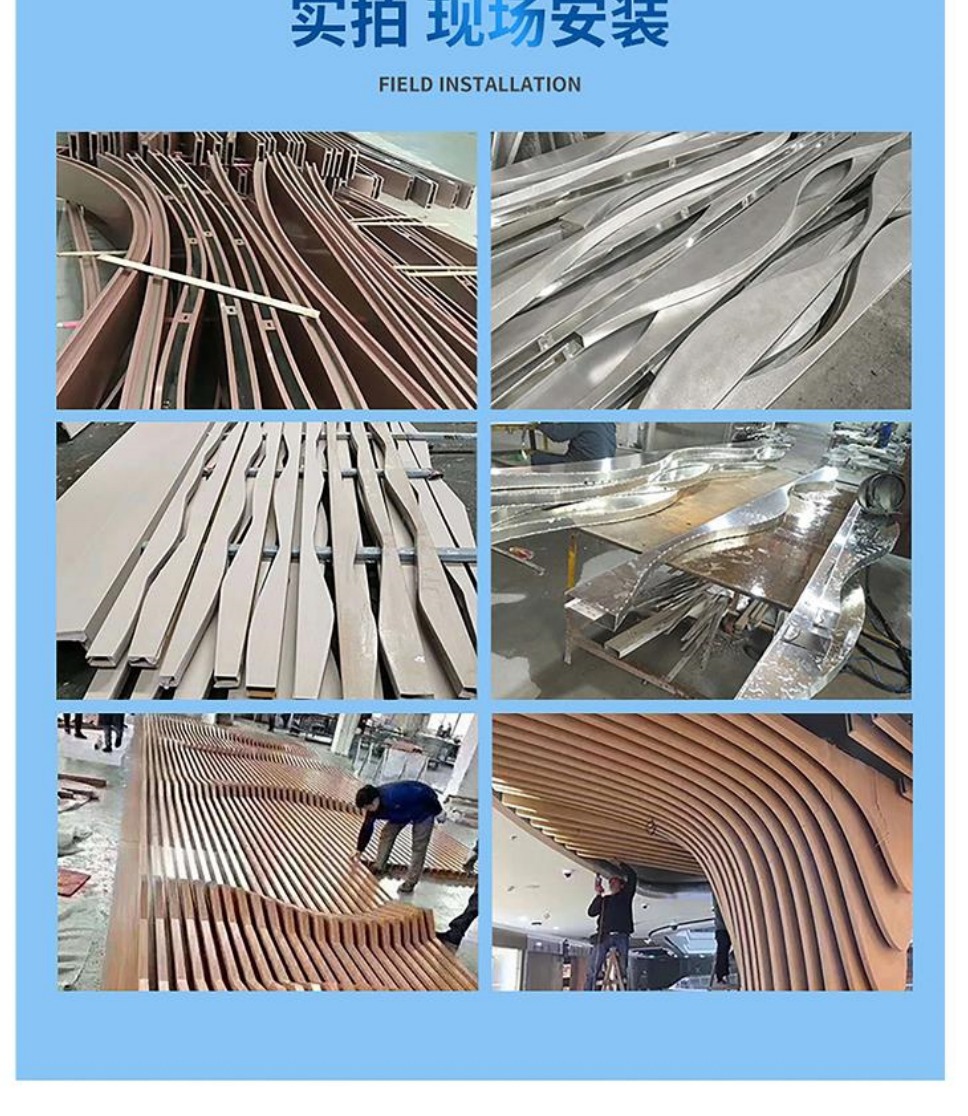
Panel IDs, datum lines, joining direction and the on-site support frame must correspond in the fabrication drawings.
These are construction options for project discussion. Specific material combinations, dimensions and performance criteria are subject to the project drawings, samples and order confirmation records.
For large-format façades, eaves and walls. Confirm panel divisions, overall thickness, rear details and weather-resistant finish.
For halls, corridors, ceilings and cladding surfaces. Coordinate lights, air outlets, access requirements and edge finishing.
Produced by radius, arc length, segmentation and interfaces for curved ceilings, façade corners and column cladding.
Perforations and patterns are formed in a composite construction. Confirm open-area ratio, edge distance, core treatment and rear functions together.
Confirm pattern, base color, grain direction, cross-panel layout and finish consistency within the same batch.
A thin stone finish is combined with honeycomb support. Key confirmations are finish thickness, edge construction and installation details.
Additional layers, openings, equipment interfaces and rear construction are discussed according to project requirements, without presuming unconfirmed performance ratings.
Grooving, returns, edge closure, local reinforcement and embedded connections are developed together with the panel form.
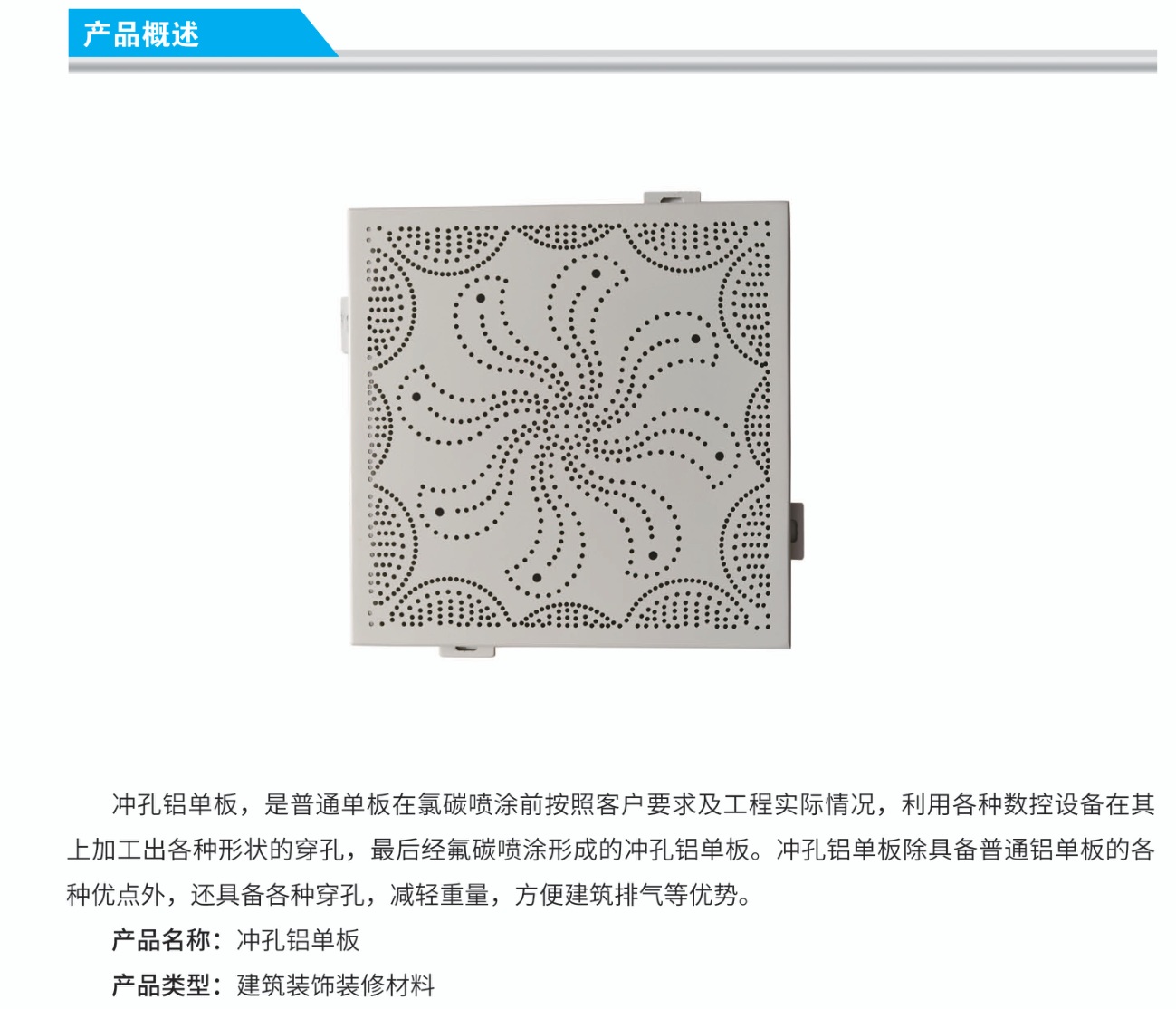
Perforations, finish, edge closure and rear construction must be confirmed as one product.
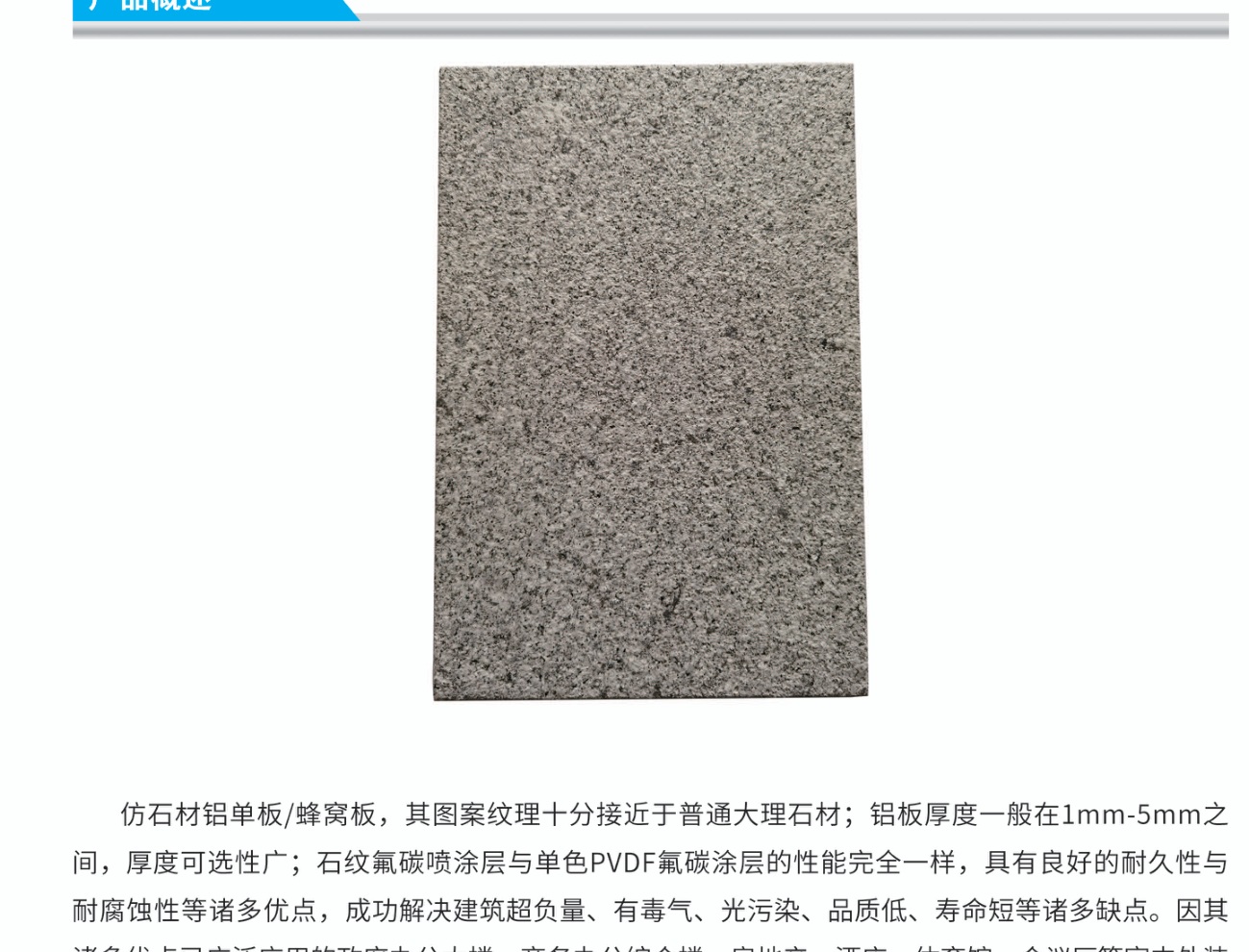
When a thin finish is combined with honeycomb support, the construction layers and edge treatment should be defined first.
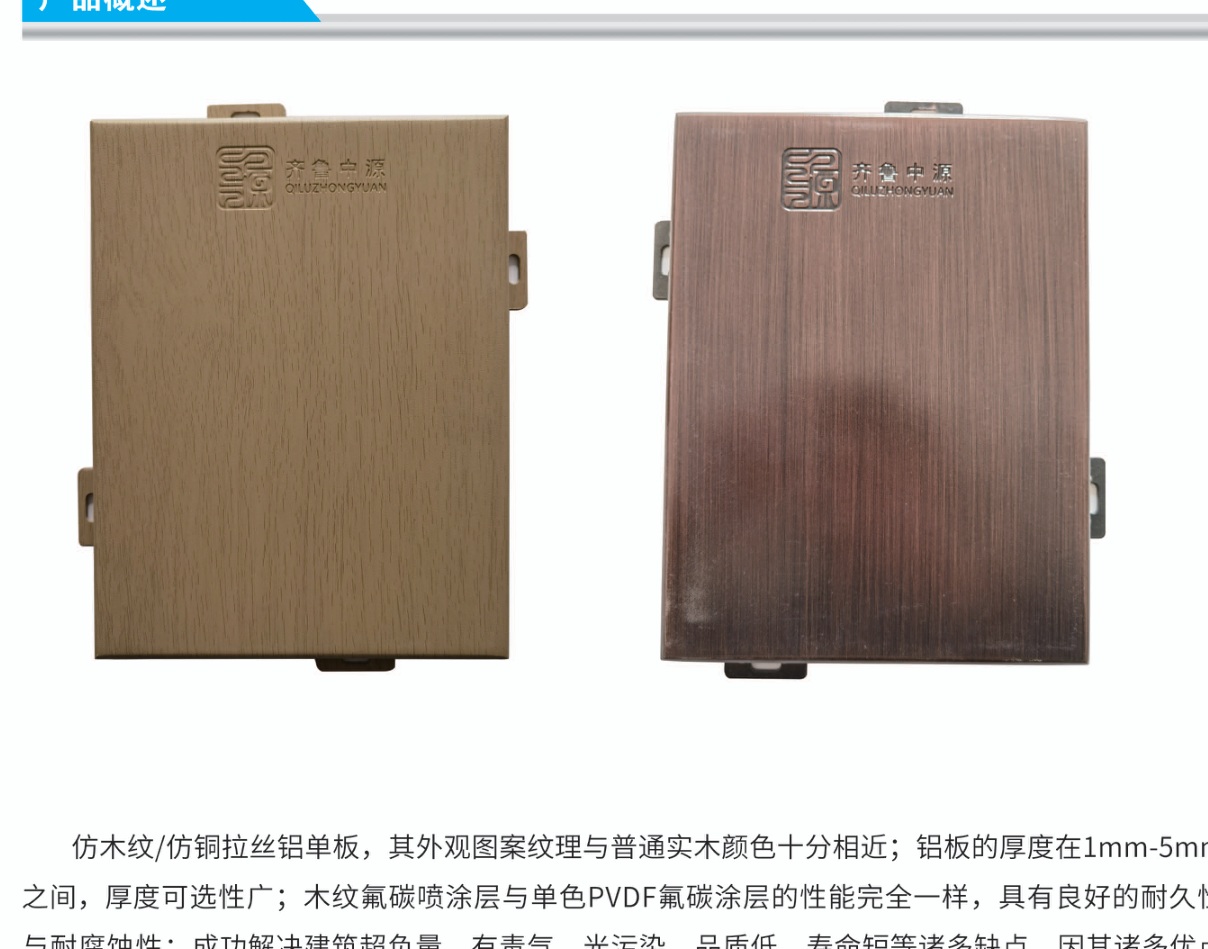
Grain direction, joining relationships, finish on returns and batch color variation determine the overall appearance together.
An aluminum honeycomb panel cannot be specified by “overall thickness” alone. The combination of face sheet, adhesive layers, core, back sheet and edge interfaces directly affects fabrication, installation and acceptance.
| Construction Item | Confirm Before Production | Direct Effect |
|---|---|---|
| Face and back sheets | Material, thickness, surface condition, direction and protection requirements | Finished appearance, forming and identification of the installation side |
| Honeycomb core | Cell size, expanded condition, direction, splicing and edge treatment | Panel support, localized loading and composite stability |
| Adhesive system | Material compatibility, application, pressing, pressure-holding and curing conditions | Bond continuity and batch consistency |
| Overall finished thickness | Construction layers, allowable tolerances and measuring locations | Detail fit, grooves and installation space |
| Edge construction | Trimming, grooving, returns, edge closure, reinforcement and connections | Terminations, edge strength and on-site connection |
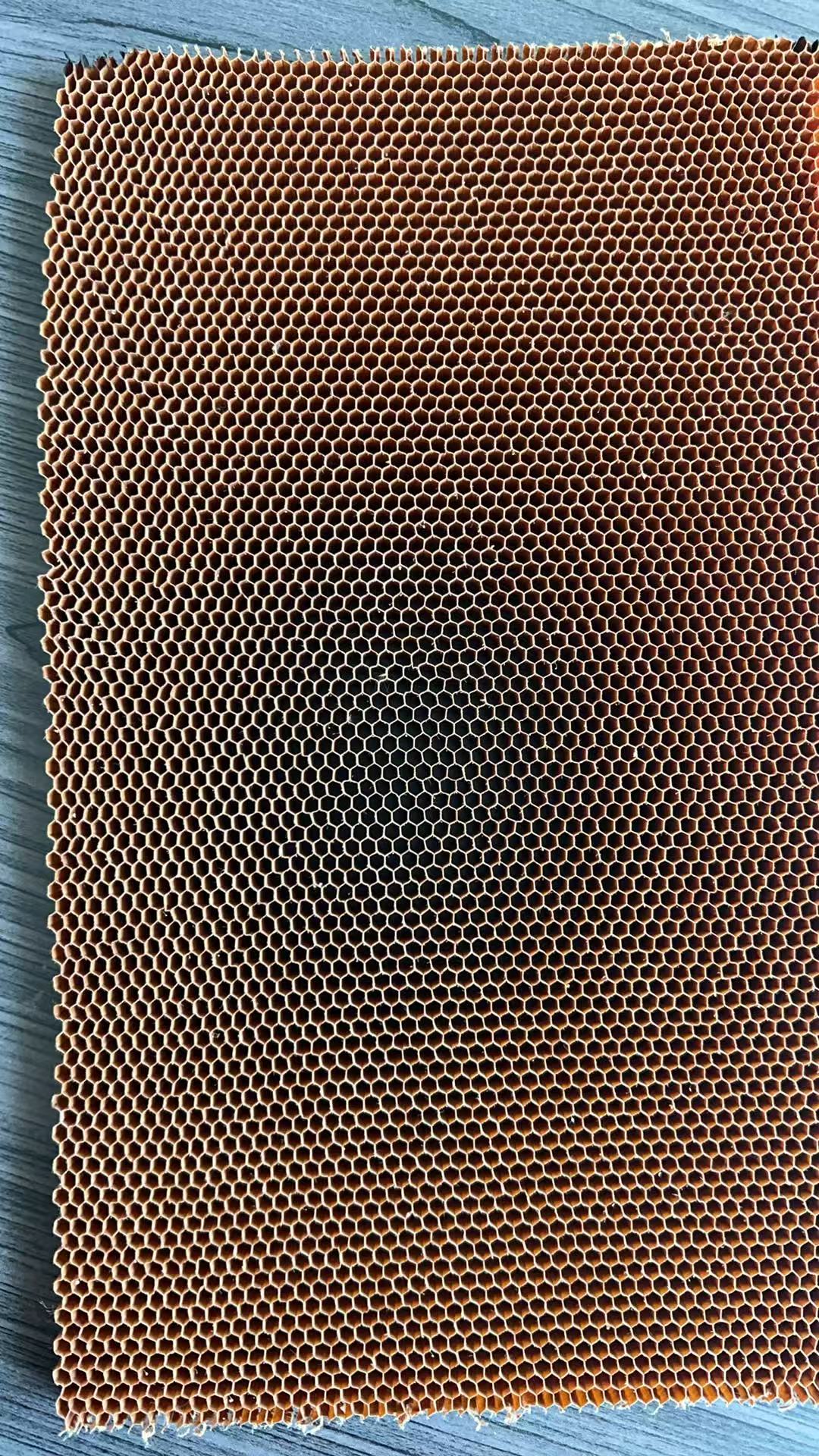
Cell pattern and direction should remain consistent in the laying, splicing and panel-number records.
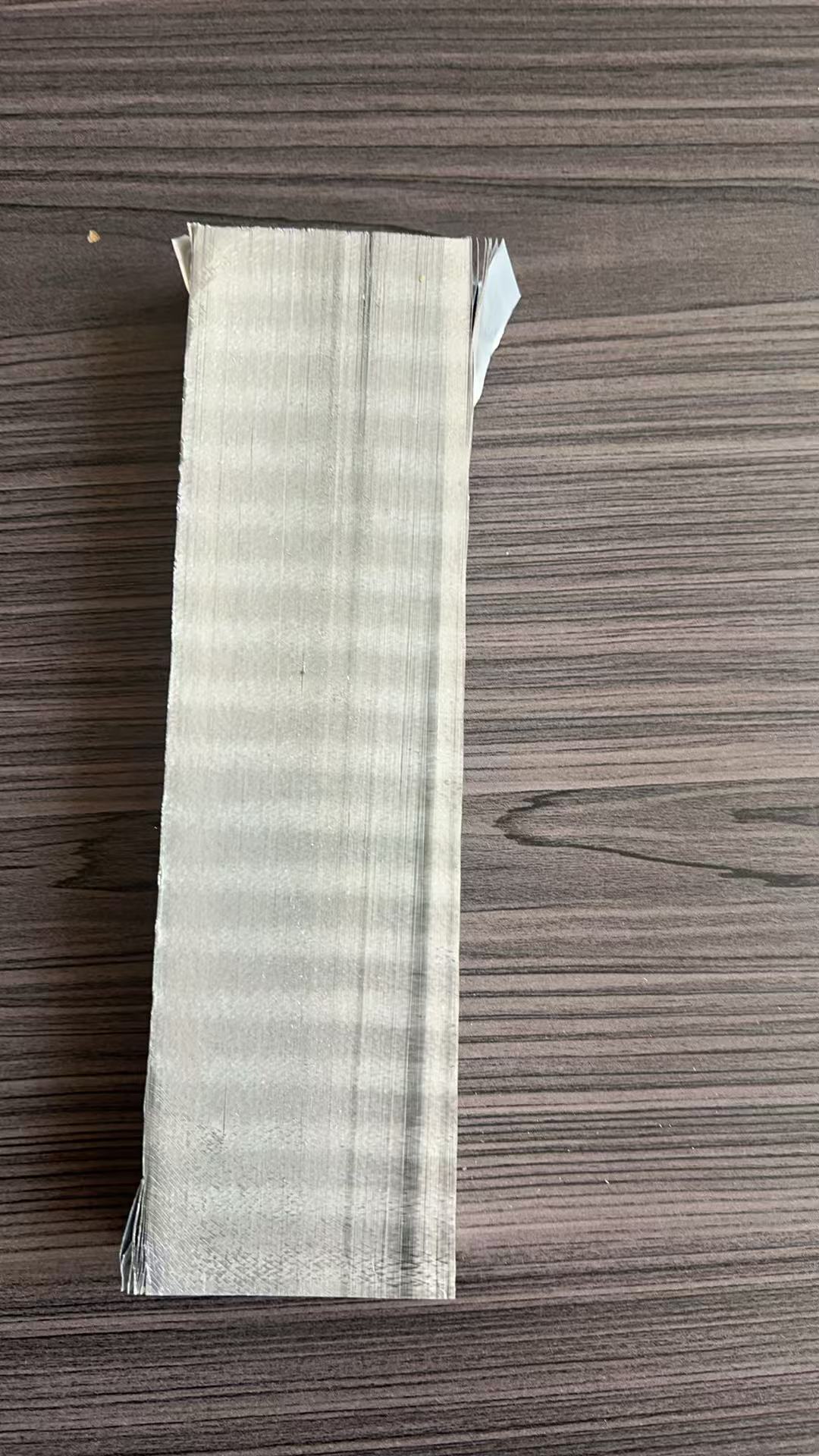
The relationship between face and back sheets, core, overall thickness and edge treatment can be checked directly.
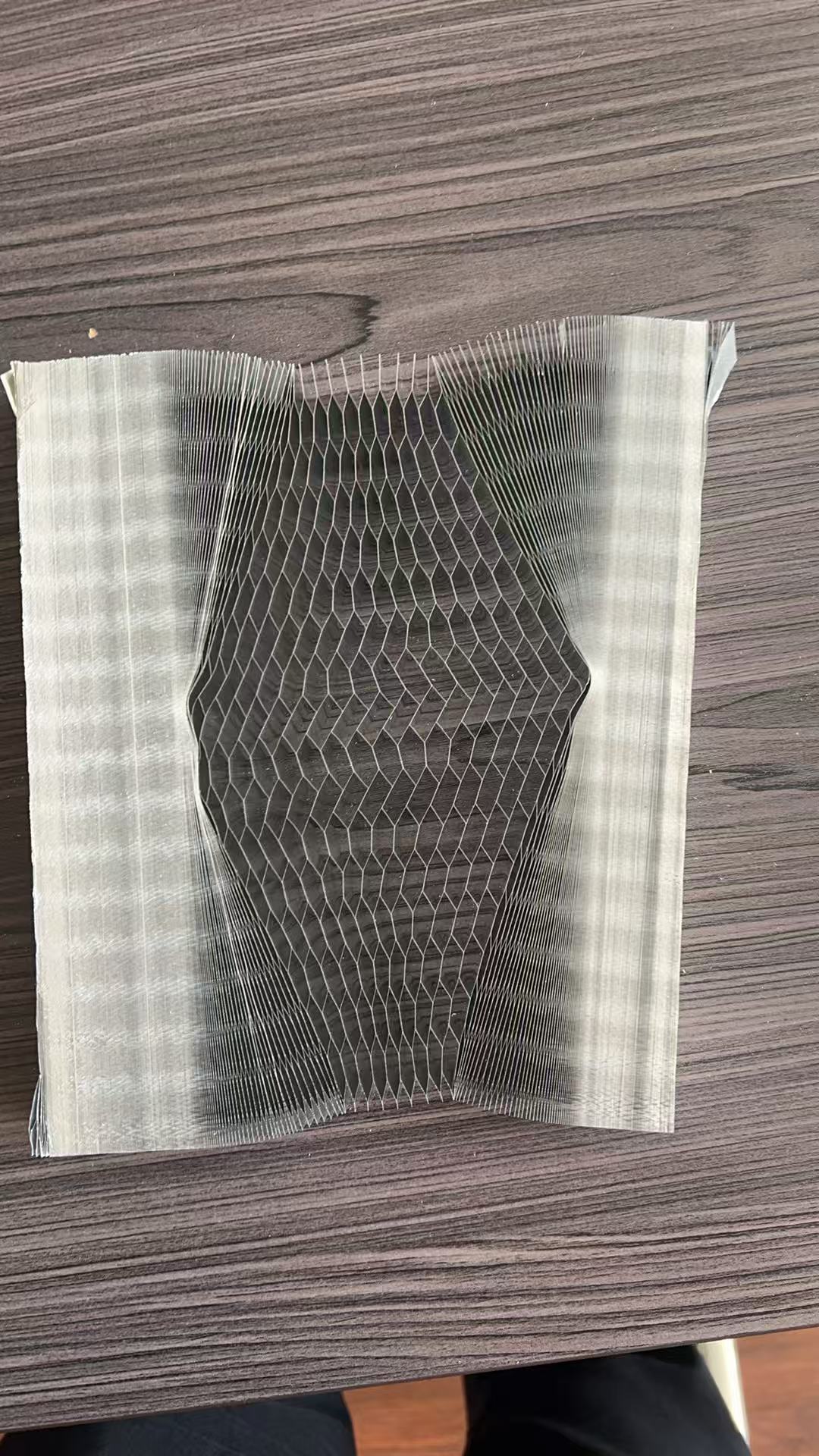
The physical sample shows how the expanded honeycomb core adapts to a curve. The finished construction is still confirmed through the combined schedule for face sheet, core, back sheet and edges.
Showing only spray coating cannot explain how honeycomb panels are made. The process below covers face-sheet processing, core preparation, bonding, edge treatment and on-site alignment.
Confirm panel IDs, layers, overall thickness, finish direction, edges and installation details.
Cut to size and process holes and shaped profiles according to flat patterns and nesting layouts.
Complete grooving, returns, curves or non-standard edge pre-forming.
Check honeycomb-core direction, expanded condition, splicing and edge allowance.
Combine face sheet, adhesive layers, core and back sheet in the approved sequence while keeping them clean.
Complete bonding under the specified process conditions; the presence of equipment alone does not demonstrate qualified quality.
Complete final trimming, grooves, edge closure, reinforcement and connection interfaces.
Check dimensions, flatness, thickness, edges, appearance and panel IDs before grouped protection.
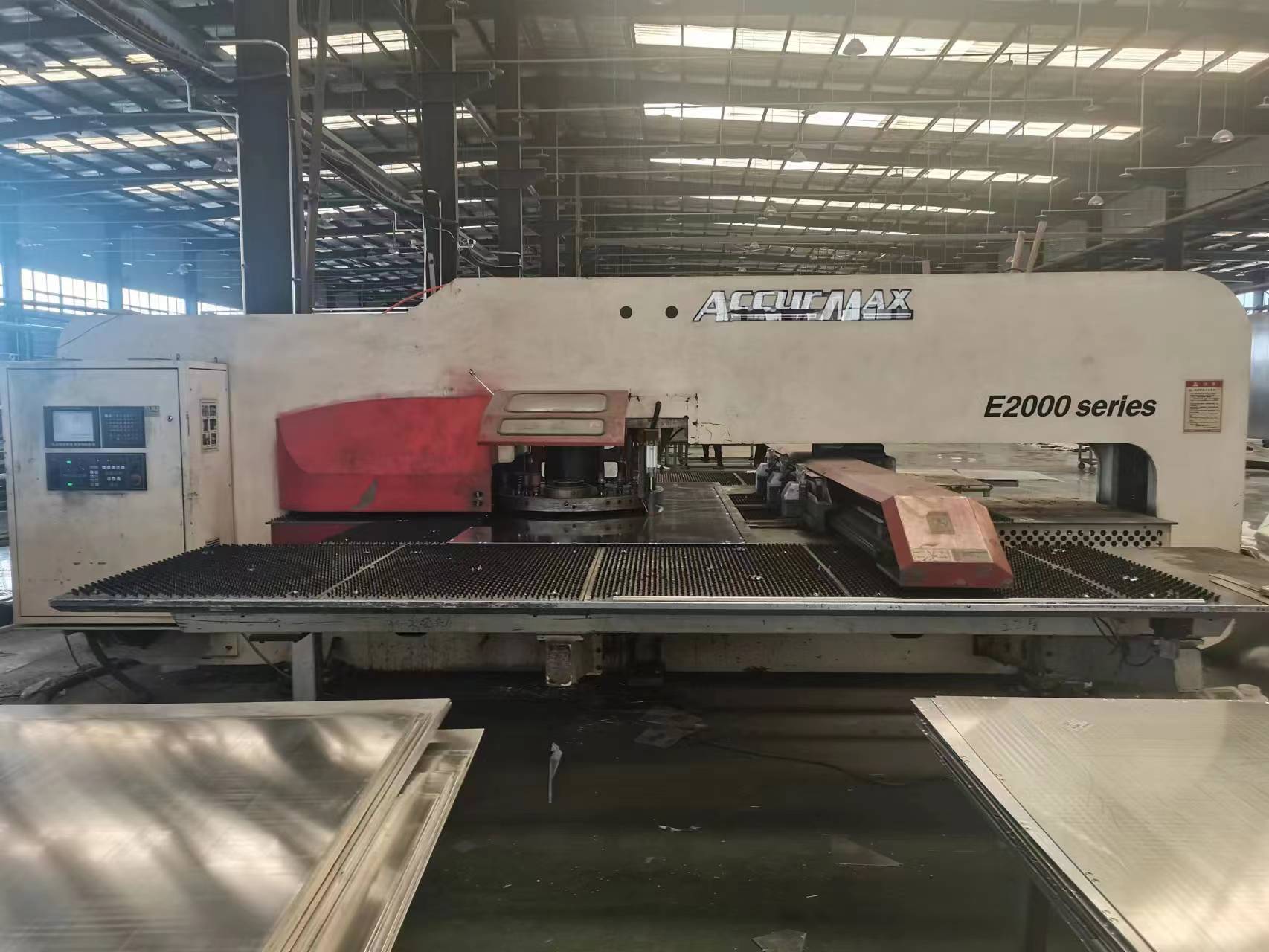
Dimensions, openings and shaped profiles are controlled jointly by the fabrication file and panel IDs.
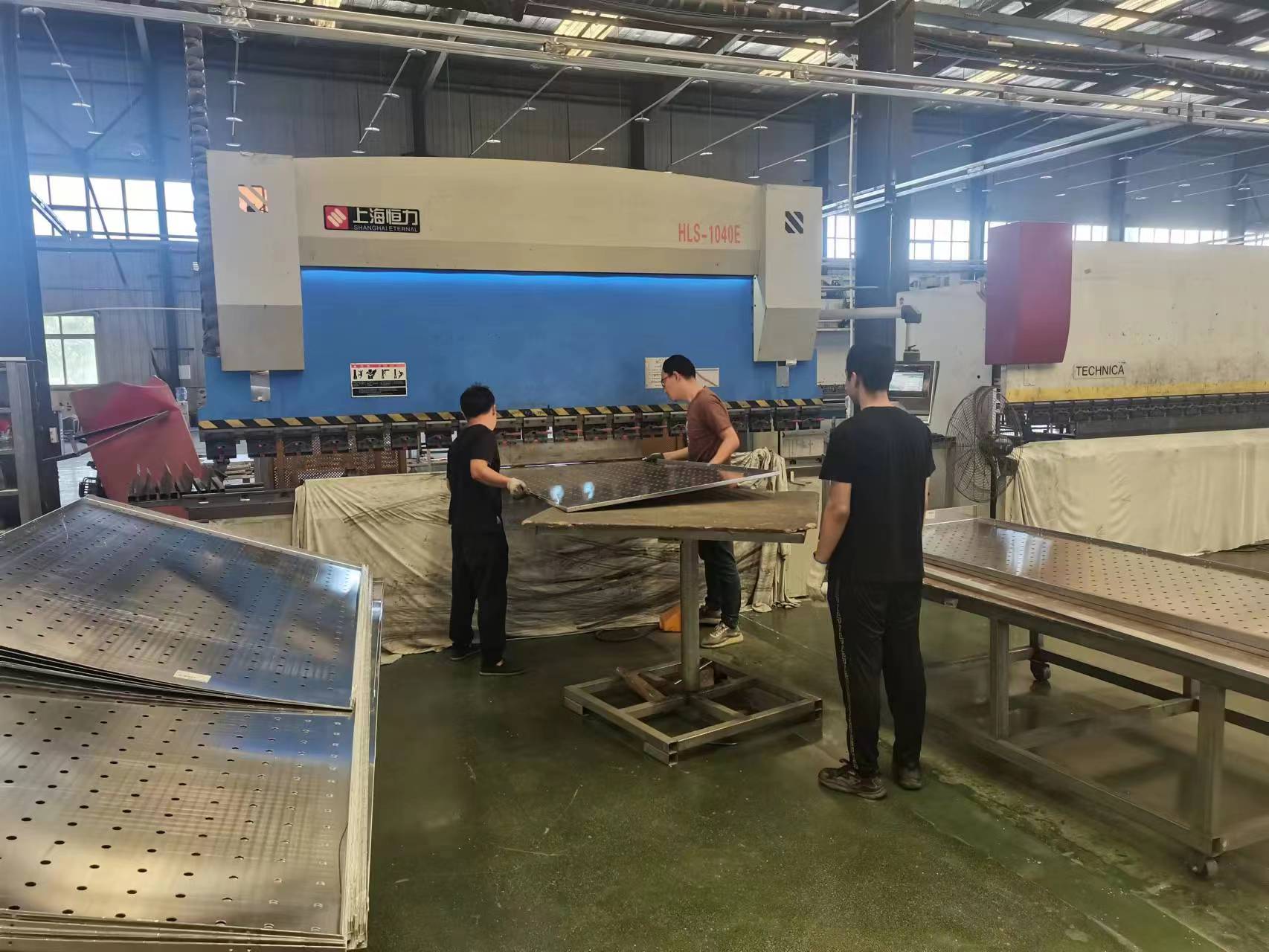
Accurate positions are reserved for edge closure, corners and installation interfaces.
Direction, splicing and edge allowance must match the panel construction drawing.
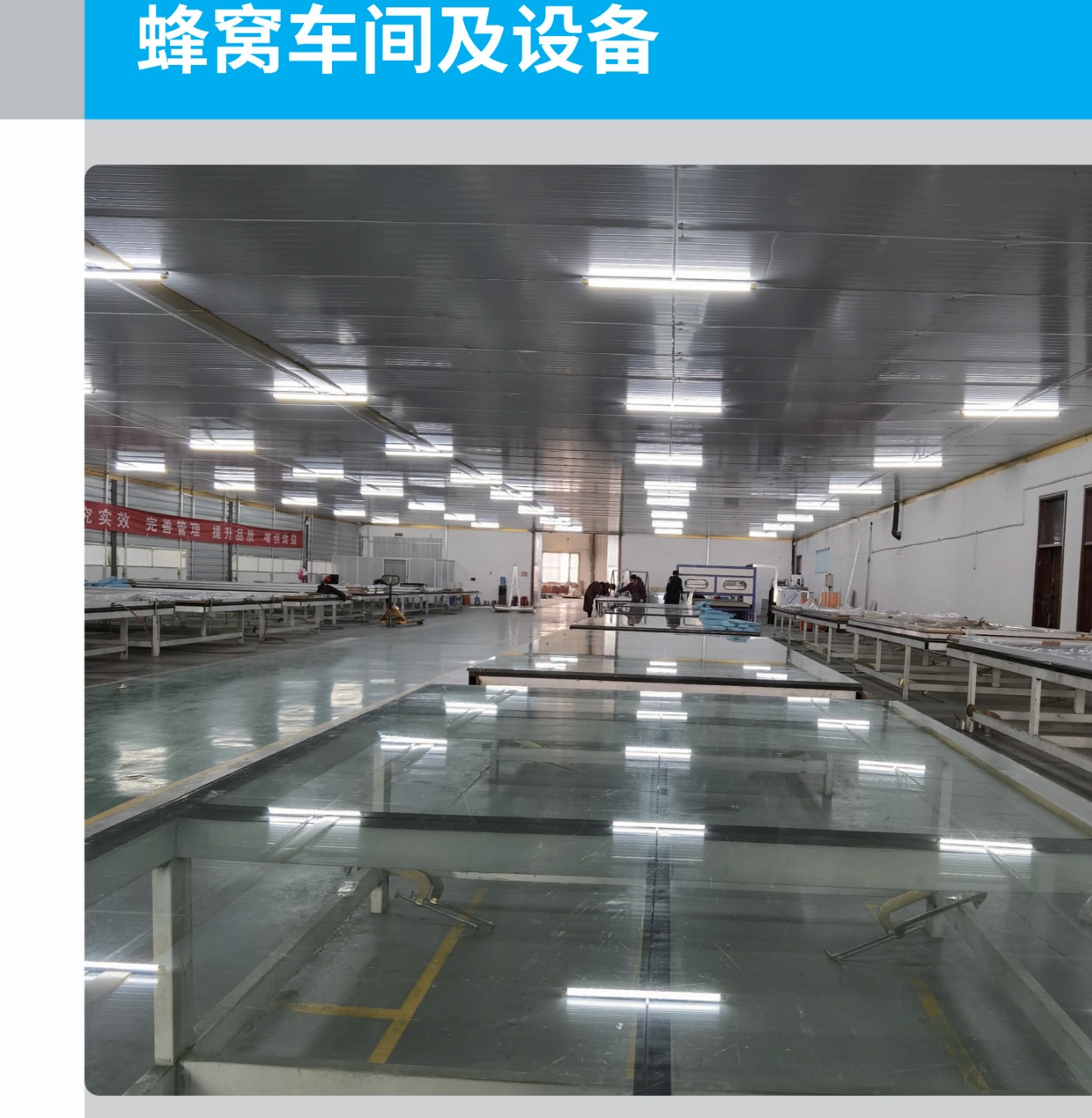
Composite equipment provides pressing and process control after lay-up; quality must still be verified through first-article and batch records.
Packing follows installation zones, direction and sequence to reduce secondary processing on site.
Process photos show the fabrication operations and finished condition. The equipment route for an actual order is determined by panel type, construction combination, quantity and production schedule.
Production drawings should define the profile, panel divisions, edge construction and on-site connection together, avoiding temporary grooving, hole modification or reinforcement after the finished panels arrive.
| Must Be Confirmed in Drawings | Fabrication Requirement | On-Site Effect |
|---|---|---|
| Finished dimensions, diagonals and IDs | Cutting to size, edge trimming, nesting and batch identification | Correct panel positions and stable joints |
| Grooves, returns and edge closure | Groove depth, allowance, corners and edge integrity | Appearance of terminations and edge strength |
| Hangers, embeds or connection interfaces | Rear detail positions, local reinforcement and connection holes | Whether the panels connect accurately to the on-site support frame |
| Curved and shaped coordinates | Radius, arc length, segment boundaries and trial-assembly datums | Whether a continuous curved surface closes smoothly |
| Finish and protection direction | Same-batch layout, marking, separation and packing | Consistent orientation across the wall and fewer installation errors |
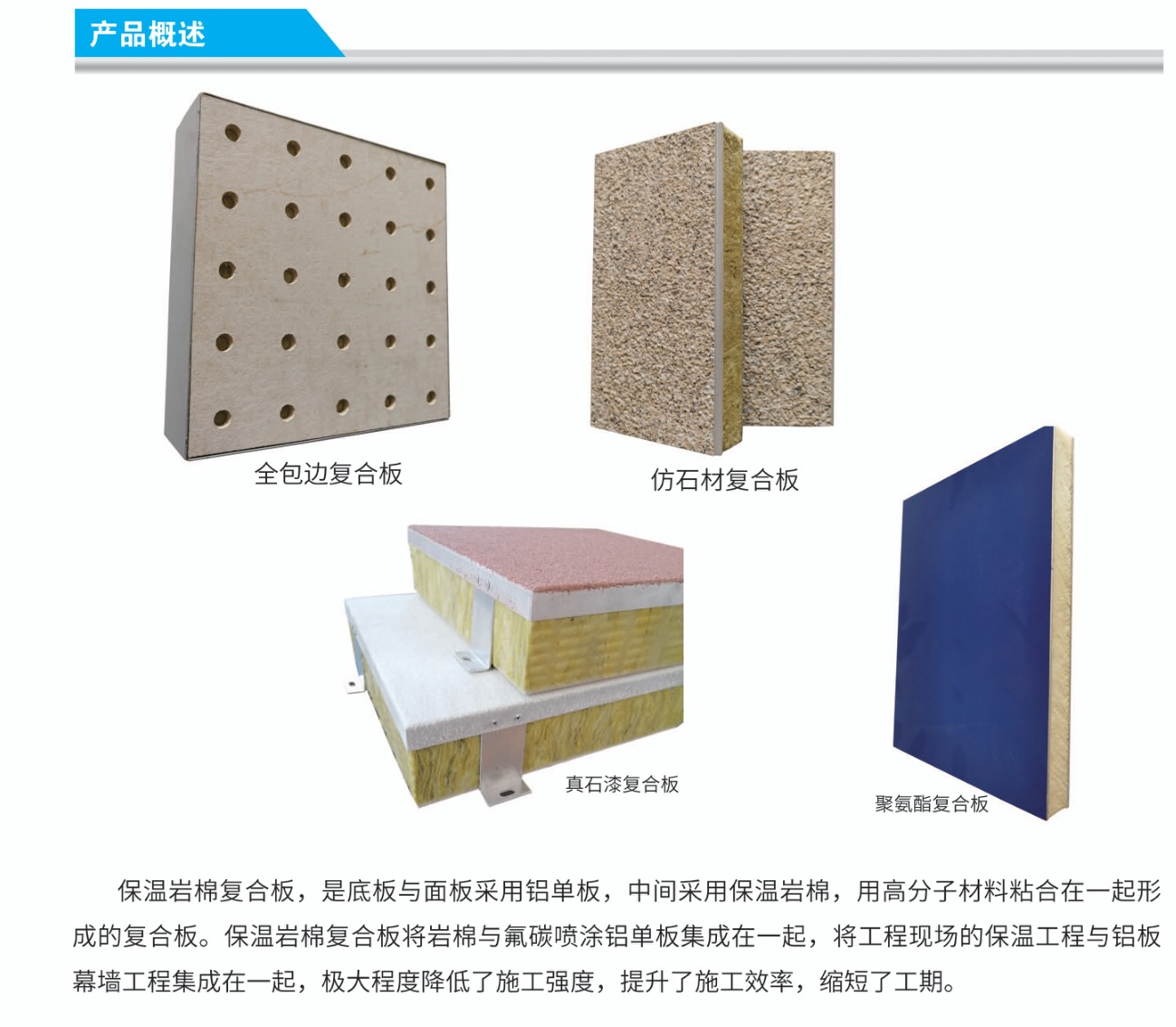
Additional construction, functional surfaces, edge closure and connections should not be quoted separately and combined at the last minute.
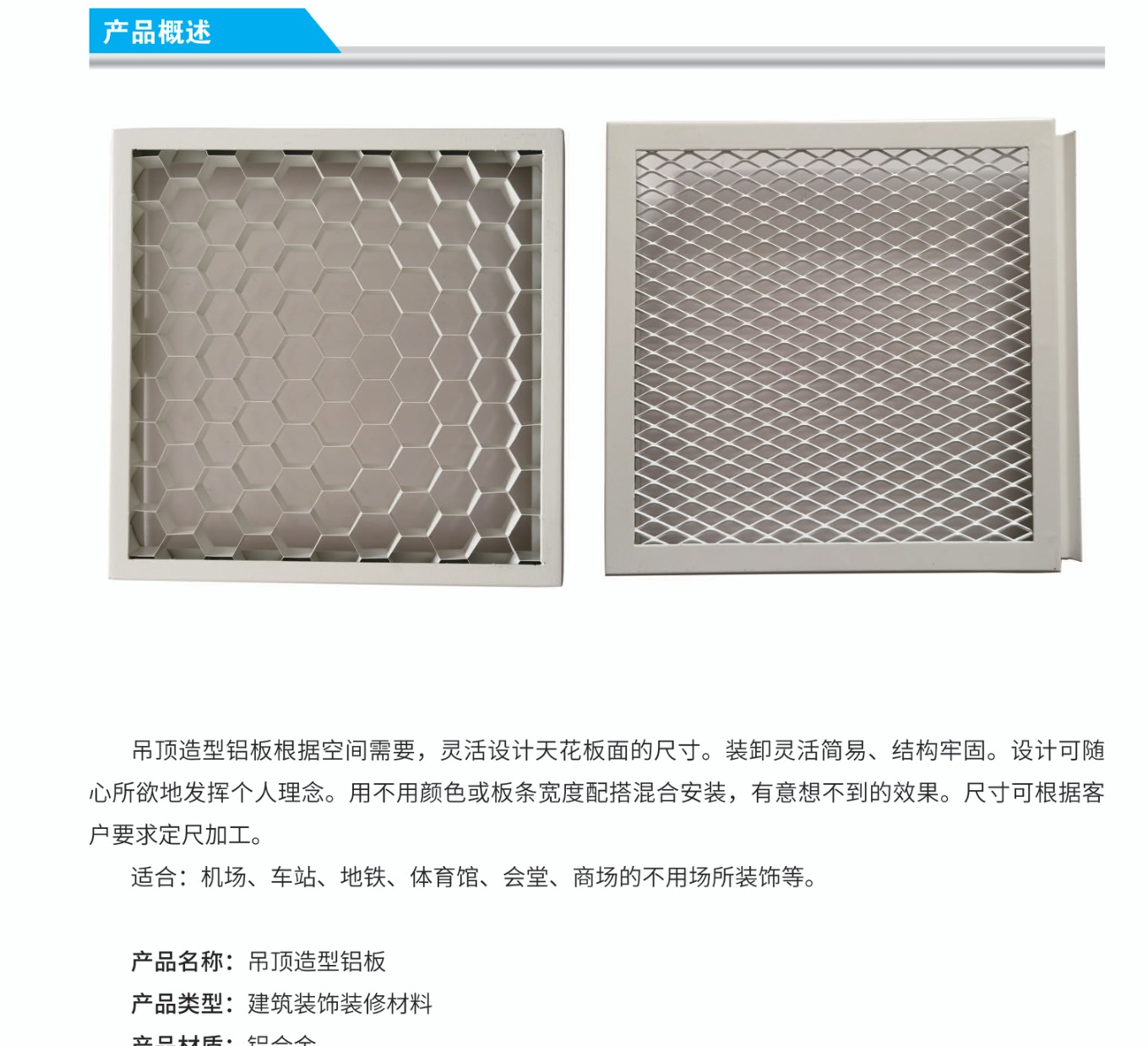
This explains core expansion and the face/back sheet combination; the order remains subject to the approved construction drawing.
Quality approval covers material construction, the bonding process, first-article dimensions, panel faces and edges, and delivery numbering, using drawings, samples and batch records as the acceptance basis.
Face sheet, back sheet, core, overall thickness, adhesive system and edge drawings are consistent.
Core direction, panel cleanliness, lay-up sequence and process conditions are recorded.
Thickness, dimensions, diagonals, flatness, grooves and edge closure are checked item by item.
Appearance, corners, panel IDs, quantity, finish protection and large-panel packing are reviewed.
| Acceptance Item | What Is Checked | Basis for Approval |
|---|---|---|
| Materials and construction | Face and back sheets, core, overall thickness and finish match the order construction | Construction schedule, material identification and approved drawings |
| Bonding process | Cleanliness, direction, lay-up, pressing and curing follow the approved process | First-article and batch process records |
| Dimensions and panel face | Length, width, diagonals, thickness, panel condition and curvature | First-article measurements and the agreed inspection method |
| Edges and details | Grooves, edge closure, hole positions, reinforcement and connection interfaces | Detail drawings, sample and first-article photos |
| Appearance and protection | Color, texture direction, corners, protective film and packing separation | Approved color sample, panel IDs and packing list |
View fabrication equipment and the site-wide quality system →
Recommended information includes application and drawings, finished dimensions, overall thickness, face sheet/back sheet/core, finish, edge and installation details, performance requirements, quantity, delivery schedule and project destination.